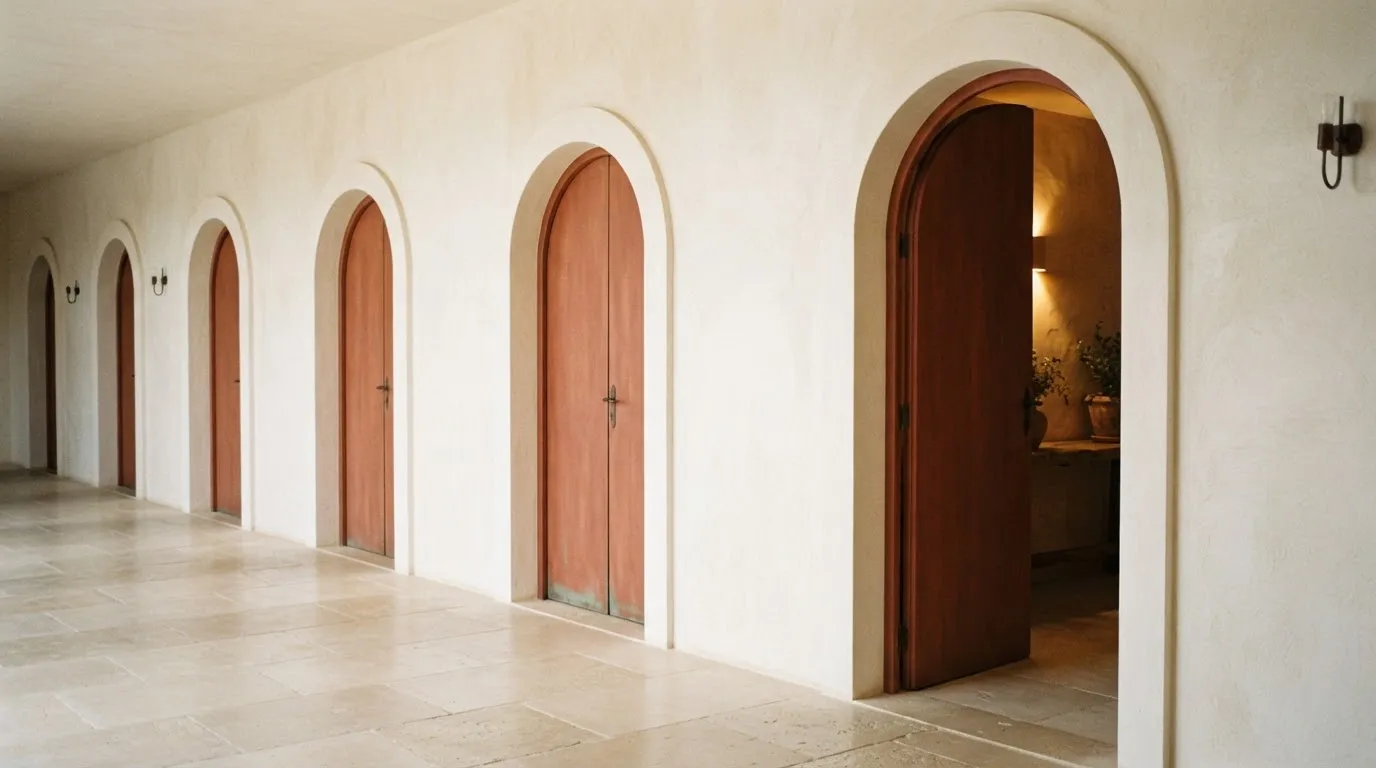
Ask a practice owner where new patients come from and you will usually hear one word, said a little too fast: Google.
That isn’t a bad answer. For years it has been the right one. But it means a lot of practices are built like a house with a single front door. It works fine until somebody changes the lock.
Somebody is changing the lock
Search doesn’t look the way it did even two years ago. People get an AI-written summary at the top of the results. They ask a chatbot instead of typing a search. They find a clinic on Instagram, then check it on Maps. Some never click through to a website at all.
Nobody knows exactly how this settles, and anyone who says they do is guessing. What we do know is that relying on one door is a risk you can do something about.
Count your doors
These are the ways a new patient can find a practice. Most practices have two or three open. The strong ones have most of them.
Your Google Business Profile. For anyone searching “near me,” this is your real front page: hours, photos, services and a booking link. It takes an afternoon to get right, and it costs nothing.
Reviews. They shape the map results and the decision itself. Ask every patient for a Google review, not only the happy ones (Yelp is the exception: it asks businesses not to request reviews at all). Reply to every review, including the annoying ones, without confirming the person is a patient. And never pay or reward anyone for a review. That last part isn’t only good manners. It breaks platform rules, and the FTC takes it seriously.
Your email list. The only audience you actually own. If a platform changes its rules tomorrow, your list is still yours. A few hundred people who asked to hear from you are worth more than thousands of followers.
Social media. Not to go viral. It’s for the moment someone hears about you from a friend and checks whether you seem real, current and good at what you do.
Referrals. Past patients, other providers, the photographer down the street. Old-fashioned and still undefeated.
Your website. Every other door should lead here, because this is where people decide.
A five-minute test
Pick up your phone and pretend you have never heard of your practice.
- Search for your main treatment and your city. Do you show up, and does what shows up look like you?
- Open your map listing. Could you book from it in two taps?
- Think about your last ten new patients. Do you know how each one found you? If not, start asking at the front desk.
- How many people could you email tomorrow, with their permission?
Most practices find that one door is wide open and another is boarded up. That’s useful to know. Fix the weakest one first.
Every door opens into the same room
Here is the part we care about most. More doors only help if what people find inside is good. If every route ends at a slow, confusing website, you have built a lovely set of entrances to a hallway.
That room is what we design: the place people walk into, and how quickly they can book once they’re there.
By STRIXA STUDIO. This article is general information, not legal or medical advice. Rules for advertising and patient information vary by state and platform, so check with your attorney.